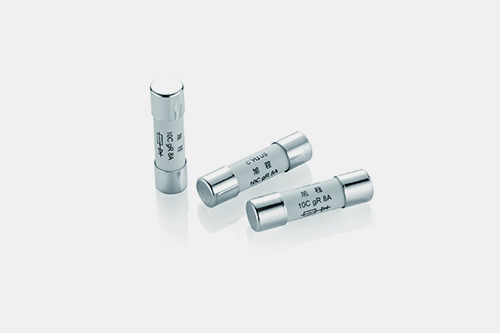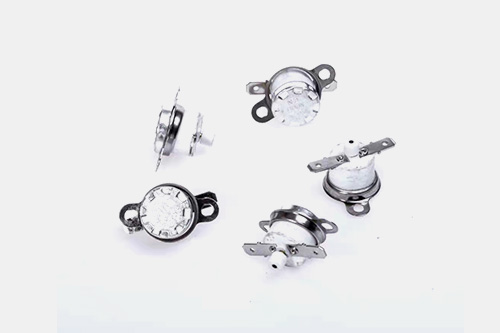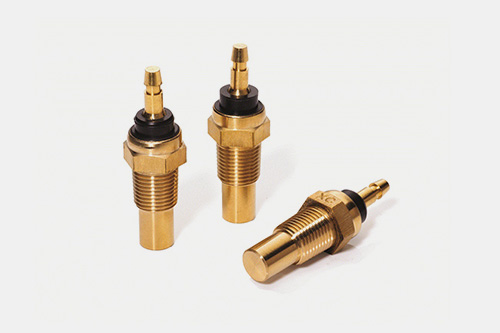

Firstly, what is a fuse? Fuses are made of low melting point alloys, commonly used as alloys of lead and tin (75% lead and 25% tin), as well as alloys of lead, tin, and lead antimony. Generally, fuses are installed in fuse boxes (fuses) or knife switches and connected in series in the circuit. When the current in the circuit is too high, due to the thermal effect of the current, the fuse first melts and is burned out, causing the circuit to automatically cut off, thereby protecting the safety of the power supply and electrical equipment. The rated current of a fuse (the maximum allowed current) and the fusing current (the minimum current that causes the fuse to blow) are its two important parameters, and its fusing current is generally about twice the rated current. The selection of the rated current of the fuse should be correct, so that it does not blow during normal power consumption of the circuit. In case of severe overload or short circuit, it will immediately blow and automa
Fuses (patch type fuses), also known as fuses, as the name suggests, are used to protect circuit components. When the current exceeds the specified range of the electrical appliance, the fuse will heat up and blow, thereby achieving the purpose of cutting off the current and protecting the electrical appliance. Supplementary knowledge on purchasing chip type fuses: 1. The working current of the selected chip type fuse should not exceed 75% of the rated current of the fuse. 2. The impact resistance of patch fuses is much smaller, so when purchasing patch fuses, special attention should be paid to pulse, impulse current, surge current, starting current, and circuit transient values. 3. Confirm the size of the circuit overload current that the patch fuse needs to pass through and the minimum and maximum duration of the overload current. 4. Another characteristic of patch type fuses is that by installing fuses with excessive internal resistance in certain circuits, they can affect the
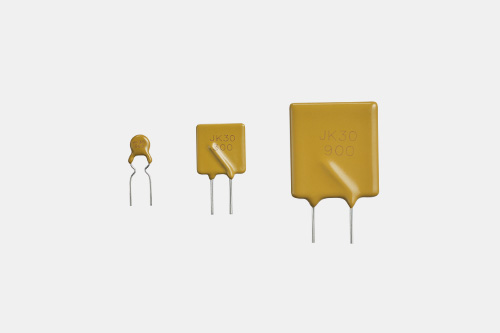
The protection requirements for the horn system are relatively strict. Ordinary fuses only provide one-time protection in the horn, increasing the repair rate of the product; In addition, additional fuse boxes and wires increase the manufacturer's costs. Also, the fuses used must meet the specifications, as incorrect fuses can damage the horn. Installing circuit breakers is also a solution; However, before they are disconnected, noise will be generated when they begin to disconnect. So, a better choice is a self resetting fuse element. When the self restoring fuse is in the disconnected state (in a high resistance state), it acts as a soft switch and automatically returns to the low resistance path state when the fault is eliminated. This is a cheap and simple intercom circuit design. Some intercom circuits are used to build application integrated circuits. The use of transistors in this circuit makes it convenient to find electronic stores. Even a novice assembler has no diffic
In electronic products, chip fuses have two functions: to protect users from harm and to protect circuits from damage. These functions benefit both device users and manufacturers. Over the past decade, the demand for electronic devices serving information technology, mobile, and consumer applications has sharply increased in the market. With this rapidly growing demand, the risk of unexpected situations in electronic devices has also increased, requiring the use of overcurrent protection devices such as chip fuses to avoid risks such as electrical overload. Before analyzing the electrical characteristics of various chip fuses in the market, it is first necessary to understand the basic design principles behind each technology. Standard fuses may be based on metal wires placed inside sealed ceramic or glass tubes filled with air or sand, but chip fuses are based on completely different principles. Most chip fuses appear to be standard chip devices and are made of single or multi-l
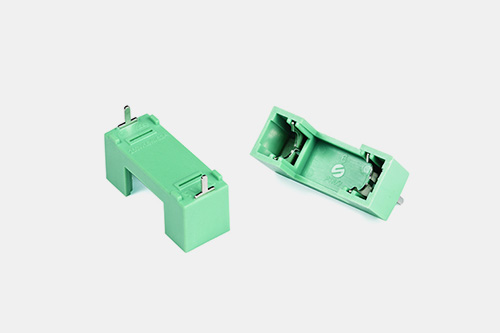
A fuse box refers to a box (also known as a fuse holder) that allows for dry installation of fuses. Some also have functional features such as waterproofing, fire resistance, and high temperature resistance (depending on different raw materials and shapes). The general injection molding materials for fuse boxes include plastic, nylon, bakelite, and PBT engineering plastics. Different raw materials have varying degrees of high temperature resistance. When selecting a fuse box, consideration should be given to the current and size requirements of the fuse used. The higher the fuse current, the larger the wires should be used to match the fuse box, otherwise it may cause the fuse box and wires to heat up and cause a fire. Fuse boxes can be divided into lead fuse boxes and automotive fuse boxes. The classification of fuse boxes can be divided into fuse boxes and fuse boxes based on the classification of device fuses. According to fuse subdivision, it can be divided into large fuse b
1. Safety certification: Determine the safety certification of fuses based on the required safety certification for the entire machine, such as UL or IEC specifications. 2. Structural size: The size is determined based on the space in the circuit design, such as length, diameter, and whether there are leads. 3. Rated voltage: It must be greater than or equal to the actual application voltage, generally including 24V, 32V, 63V, 125V, 250V, etc. 4. Breaking capacity: should be greater than the maximum fault current in the circuit. 5. Rated current: Based on the following items: (1) Normal working current, the rated current of UL specification fuses operating at 25 ℃ is ≥ normal working current/0.75; The rated current of IEC standard fuses is ≥ normal working current/0.9. (2) Environmental temperature: The current carrying capacity test of a fuse is conducted under the ambient temperature of 25 ℃. The higher the ambient temperature, the shorter the lifespan of the fuse, and the lower

MB:+86 13924633629 Ms.vicky
E-mail: waimao@xcfuse.com
Factory :
XC Electronics(Shenzhen)Corp.,LTD
Add: Xucheng Technology Park, Daling Street Industrial Park, Huidong County, Huizhou City, Guangdong Province
Shenzhen branch: Shenzhen Xucheng Electronic Commerce co.Ltd
Add: 17A,Bldg 1,Innovation Industrial Park, No. 1 Danqing RD, Jinsha, Kengzi, Pingshan DIST, Shenzhen,Guangdong 518122 China