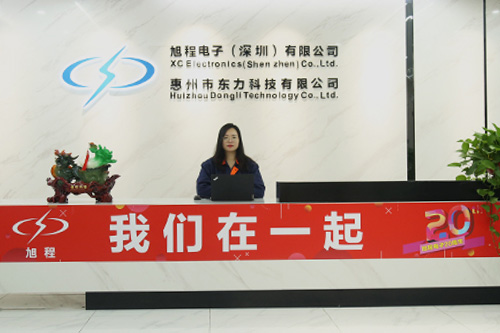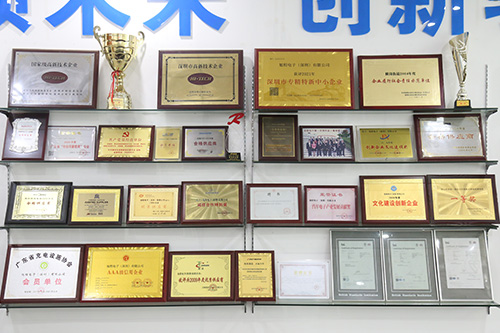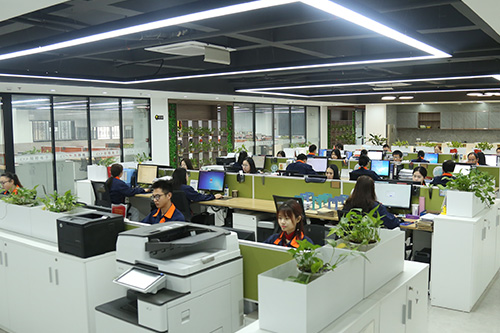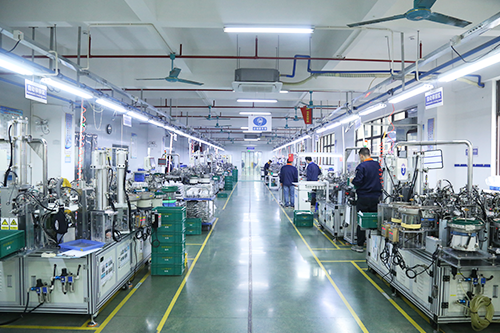


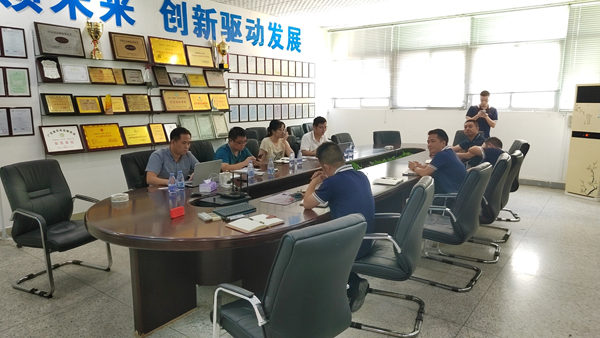
Today, the Topband visited our factory for the annual factory audit. The company is a global leading provider of intelligent control technology, we have established a partnership with them for more than 15 years."
Read recommendations:

Contact phone number and email:
+86 19926823218,sales07@xcfuse.com
+86 19925352683,sales09@xcfuse.com
Factory :
XC Electronics(Shenzhen)Corp.,LTD
Add: Xucheng Technology Park, Daling Street Industrial Park, Huidong County, Huizhou City, Guangdong Province
Shenzhen branch: Shenzhen Xucheng Electronic Commerce co.Ltd
Add: 17A,Bldg 1,Innovation Industrial Park, No. 1 Danqing RD, Jinsha, Kengzi, Pingshan DIST, Shenzhen,Guangdong 518122 China